
Product Description
Stainless Steel Plastic Roller Chain Gear Platewheel Engineer Class Agricultural Pintle Cast Iron Weld On Hub Finished Bore Idler Bushing Taper Lock Qd Sprocket
|
European standard sprockets |
|
|
DIN stock bore sprockets & plateheels |
03B-1 04B-1 05B-1-2 06B-1-2-3 081B-1 083B-1/084B-1 085B-1 086B-1 08B-1-2-3 10B-1-2-3 12B-1-2-3 16B-1-2-3 20B-1-2-3 24B-1-2-3 |
|
03A-1 04A-1 05A-1-2 06A-1-2-3 081A-1 083A-1/084A-1 085A-1 086A-1 08A-1-2-3 10A-1-2-3 12A-1-2-3 16A-1-2-3 20A-1-2-3 24A-1-2-3 |
|
|
DIN finished bore sprockets |
06B-1 08B-1 10B-1 12B-1 16B-1 20B-1 |
|
stainless steel sprockets |
06B-1 08B-1 10B-1 12B-1 16B-1 |
|
taper bore sprockets |
3/8″×7/32″ 1/2″×5/16″ 5/8″×3/8″ 3/4″×7/16″ 1″×17.02mm 1 1/4″×3/4″ |
|
cast iron sprockets |
06B-1-2-3 081B-1 083B-1/084B-1 085B-1 086B-1 08B-1-2-3 10B-1-2-3 12B-1-2-3 16B-1-2-3 20B-1-2-3 24B-1-2-3 |
|
platewheels for conveyor chain |
20×16mm 30×17.02mm P50 P75 P100 |
|
table top wheels |
P38.1 |
|
idler sprockets with ball bearing |
8×1/8″ 3/8″×7/32″ 1/2″×1/8″ 1/2″×3/16″ 1/2″×5/16″ 5/8″×3/8″ 5/8″×3/8″ 5/8″×3/8″ 3/4″×7/16″ 3/4″×7/16″ 1″×17.02mm 1 1/4″×3/4″ |
|
double simplex sprockets |
06B-1 08B-1 10B-1 12B-1 16B-1 |
|
American standard sprockets |
|
|
ASA stock bore sprockets |
-2 35-3 -2 40-3 50 50-2-50-3 60 60-2 60-3 80-80-2 80-3 100 100-2 100-3 120 120-2 120-3 140 140-2 160 160-2 180 200 |
|
finished bore sprockets |
|
|
stainless steel sprockets |
60 |
|
double single sprockets&single type Csprockets |
|
|
taper bore sprockets |
35 35-2 -2 50 50-2 60 60-2 80 80-2 |
|
double pitch sprockets |
2040/2042 2050/2052 2060/2062 2080/2082 |
|
sprockets with split taper bushings |
40-2 40-3 50 50-2 50-3 60 60-2 60-3 80 80-2 80-3 100 100-2 120 120-2 |
|
sprockets with QD bushings |
35 35-1 35-2 -2 40-3 50 50-2 50-3 60 60-2 60-3 80 80-2 80-3 100 100-2 100-3 |
|
Japan standard sprockets |
|
|
JIS stock sprockets |
140 160 |
|
finished bore sprockets |
FB25B FB35B FB40B FB50B FB60B FB80B FB100B FB120B |
|
double single sprockets |
40SD 50SD 60SD 80SD 100SD |
|
double pitch sprockets |
|
|
speed-ratio sprockets |
C3B9N C3B10N C4B10N C4B11 C4B12 C5B10N C5B11 C5B12N C6B10N C6B11 C6B12 |
|
idler sprockets |
35BB20H 40BB17H 40BB18H 50BB15H 50BB17H 60BB13H 60BB15H 80BB12H |
|
table top sprockets |
P38.1 |
|
Material available |
Low carbon steel, C45, 20CrMnTi, 42CrMo, 40Cr, stainless steel. Can be adapted regarding customer requirements. |
|
Surface treatment |
Blacking, galvanization, chroming, electrophoresis, color painting, … |
|
Heat treatment |
High frequency quenching heat treatment, hardened teeth, carbonizing, nitride, … |
Customization process
1.Provide documentation:CAD, DWG, DXF, PDF,3D model ,STEP, IGS, PRT
2.Quote:We will give you the best price within 24 hours
3.Place an order:Confirm the cooperation details and CZPT the contract, and provide the labeling service
4.Processing and customization:Short delivery time
Related products:
Factory:
| Standard Or Nonstandard: | Standard |
|---|---|
| Application: | Motor, Motorcycle, Machinery, Agricultural Machinery, Car |
| Hardness: | Hardened Tooth Surface |
| Manufacturing Method: | Rolling Gear |
| Toothed Portion Shape: | Spur Gear |
| Material: | Stainless Steel |
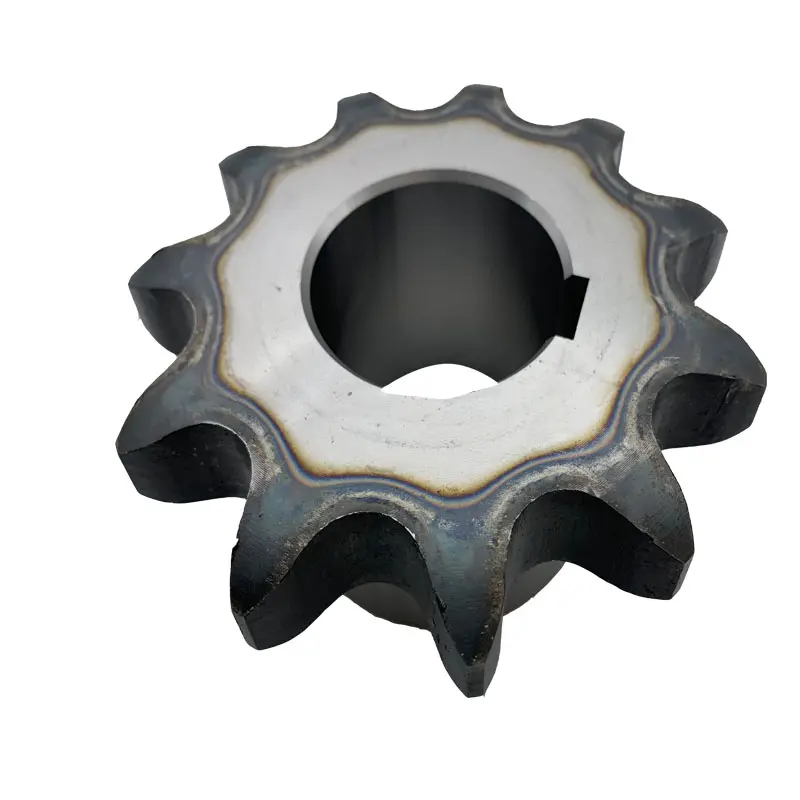
Alternatives to Chain Sprockets in wheel sprocket Configuration
While chain sprockets are commonly used in wheel sprocket configurations, there are alternative methods for power transmission in various applications:
- Gear and Gear Rack: Gears are toothed wheels that mesh with each other to transmit power. Instead of using a chain and sprocket, gears can directly engage with each other, offering a smooth and efficient power transfer. Gear racks, which are linear gears, can be used in place of wheels for linear motion applications.
- Belt and Pulley: Belts and pulleys offer a flexible and quiet means of power transmission. They work similarly to chain and sprocket systems but use belts instead of chains. Pulleys have grooves that grip the belt, allowing power to be transferred between the pulleys.
- Gear Train: A gear train consists of multiple gears meshed together to achieve specific speed and torque ratios. Gear trains are often used in complex machinery and mechanical systems where precise power transmission is required.
- Direct Drive: In some applications, direct drive mechanisms can be used, where the motor or power source is directly connected to the wheel or load without any intermediate components like sprockets or gears.
- Friction Drive: Friction drive systems use the friction between two surfaces to transfer power. One surface, such as a rubber wheel, is pressed against another surface to achieve power transmission.
The choice of alternative power transmission methods depends on various factors, including the application requirements, available space, speed, torque, and efficiency considerations. Each alternative method has its advantages and limitations, and the selection should be based on the specific needs of the mechanical system.
When considering alternatives to chain sprockets, it is essential to analyze the requirements of your application and consult with engineering experts or manufacturers to determine the most suitable method of power transmission for optimal performance and longevity.
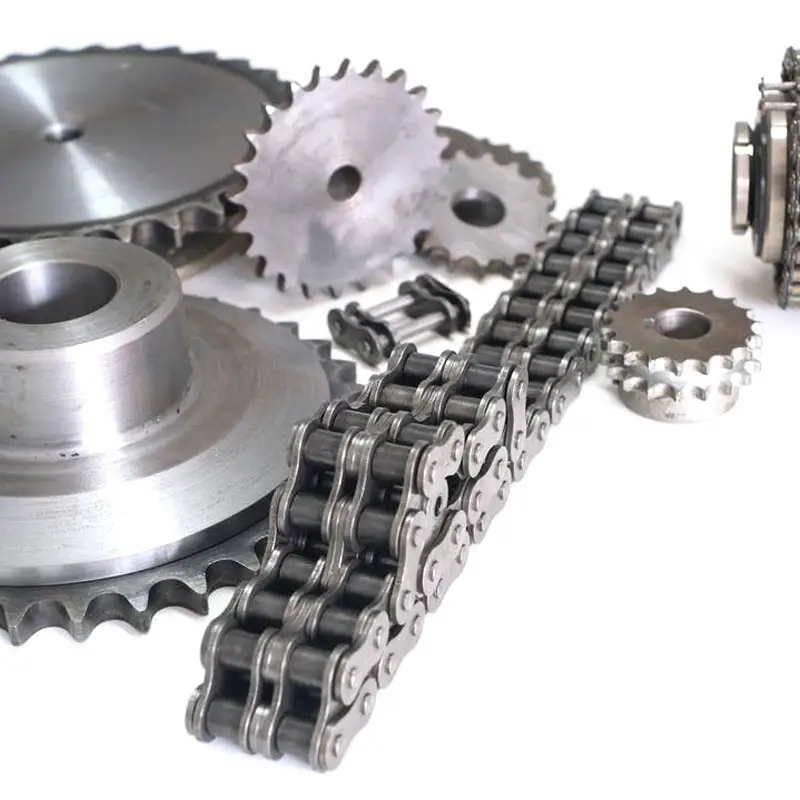
Using a Belt Sprocket in Place of a Chain Sprocket with a Wheel
Yes, in many cases, a belt sprocket can be used in place of a chain sprocket with a wheel, provided that the system is designed to accommodate the change.
Both chain sprockets and belt sprockets serve the same fundamental purpose of transferring rotational motion and power between the wheel and the driven component. However, there are some important considerations to keep in mind when replacing a chain sprocket with a belt sprocket:
- Alignment: Belt sprockets and chain sprockets must be aligned properly with the wheel to ensure smooth and efficient power transmission. Any misalignment can cause premature wear and reduce the system’s overall performance.
- Tension: Chain-driven systems require specific tension to prevent slack and maintain proper engagement between the sprockets and the chain. Belt-driven systems, on the other hand, require appropriate tension to prevent slippage. Ensuring the correct tension for the specific type of sprocket is crucial for reliable operation.
- Load Capacity: Consider the load capacity and torque requirements of the system when selecting a belt sprocket. Belt sprockets may have different load-carrying capabilities compared to chain sprockets, and using the wrong type can lead to premature wear or failure.
- Speed and RPM: Belt-driven systems may have different operating speeds and RPM limits compared to chain-driven systems. Ensure that the selected belt sprocket can handle the desired rotational speed without exceeding its design limitations.
- System Design: Changing from a chain-driven system to a belt-driven system (or vice versa) may require modifications to the overall system design, including the size of the sprockets and the layout of the system. Consult with an engineer or a qualified professional to ensure that the replacement is appropriate and safe.
Overall, replacing a chain sprocket with a belt sprocket can be a viable option in certain applications. However, it’s essential to consider the factors mentioned above and evaluate the compatibility of the new sprocket with the existing system to achieve optimal performance and longevity.
Types of Sprockets Used with Wheels
In mechanical systems, sprockets are toothed wheels that mesh with a chain or a belt to transmit rotational motion and power. There are several types of sprockets used with wheels, each designed for specific applications:
1. Roller Chain Sprockets:
These are the most common type of sprockets used with wheels and are designed to work with roller chains. Roller chain sprockets have teeth that match the profile of the chain’s rollers, ensuring smooth engagement and reducing wear on both the sprocket and the chain. They are widely used in bicycles, motorcycles, and industrial machinery.
2. Silent Chain Sprockets:
Also known as inverted-tooth chain sprockets, these sprockets are designed to work with silent chains. Silent chains are toothed chains that run quietly and smoothly, making them ideal for applications where noise reduction is essential, such as timing drives in engines and automotive systems.
3. Timing Belt Sprockets:
Timing belt sprockets are used with timing belts to ensure precise synchronization between the crankshaft and camshaft in internal combustion engines. They have specially designed teeth that fit the profile of the timing belt, allowing for accurate timing and smooth motion.
4. Idler Sprockets:
Idler sprockets are used to guide and tension chains or belts in a system. They do not transmit power themselves but play a crucial role in maintaining proper tension and alignment, which is essential for efficient power transmission and to prevent chain or belt slack.
5. Weld-On Sprockets:
Weld-on sprockets are designed to be welded directly onto a wheel hub or shaft, providing a secure and permanent attachment. They are commonly used in industrial machinery and equipment.
6. Double-Single Sprockets:
Double-single sprockets, also known as duplex sprockets, have two sets of teeth on one sprocket body. They are used when two separate chains need to be driven at the same speed and with the same sprocket ratio, often found in heavy-duty applications and conveyor systems.
7. Taper-Lock Sprockets:
Taper-lock sprockets are designed with a taper and keyway to provide a secure and easy-to-install connection to the shaft. They are widely used in power transmission systems, where sprocket positioning and removal are frequent.
Each type of sprocket is selected based on the specific application’s requirements, chain or belt type, and the desired performance characteristics. Proper selection and maintenance of sprockets are essential for ensuring efficient power transmission and extending the life of the entire system.


editor by CX 2023-09-27