
Product Description
Standard Sprockets Introduction:;
Material:; DIN GG20,; GG25 or or C1045 steel,; For each batch of casting,; inspection certificate including chemcial composition,; tensile strength,; hardness etc will be tested & issued; For each batch steel material,; subsupplier will provide material certificate issued by steel plant.;
Machining:; Precesion machining for pulley with stock bore,; taper bore and gear.;
Finish:; Black oxide for steel Sprockets,; Black phosphate for cast iron Sprockets.;
Product Description:;
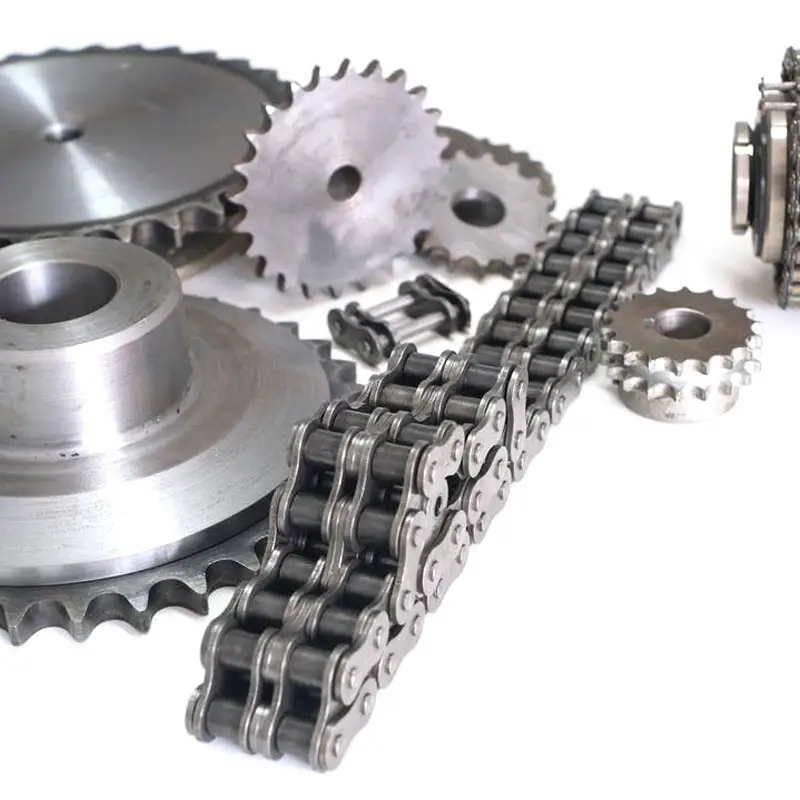
We are main supplier of all kinds of sprocket,; special sprocket,; chain wheel,; taper lock,; pulley,; chain coupling,; shaft,; flexible coupling and so on.;
Sprocket with pilot bore,; sprocket with finishing bore,; sprocket with taper bore,; sprocket with keyway,; sprocket with screw set,; sprocket with hub,; plain sprocket,; duplex sprocket,; triplex sprocket and so on.; When you offer enquiry,; please let us know the surface treatment of sprocket(grey,; blackened and so on);,; teeth treatment(heat-treatment on teeth or not);,; standard(KANA,; SATI and so on); together with detail item.; If you need special sprocket,; please send us drawing or send us sample.; Please feel free to contact with us with your detail request.;
Each kind of standard sprocket product
1.; Rang of products
03/04/05B/06B/08B/10B/12B/16B/20B/24B/28B/32B
25/35/40/41/50/60/80/100/120/140/160/180/200/240
2.; Max.; Processing diameter:; ø =1450mm
The series of finished-bore sprocket
1.; Rang of product
06B/08B/10B/12B/16B/20B/
35/40/41//50/60/80/100/120/140/160
2.; Max.; Processing diameter:; ø =1450mm
Taper bore sprocket of BTL series
1.; Rang of product
06B/08B/10B/12B/16B/20B
35/40/41//50/60/80/100/120/140/160
2.; Max.; Processing diameter:; ø =1450mm.;
Max.; Coordinated taper bush:; 8065
Taper bore sprocket of QTL serie
1.; Rang of products
35/40/41//50/60/80/100/120/140/160/200
2.; Max.; Processing diameter:; ø =1450mm.;
Max.; Coordinated QD cover:; N
STL taper bore sprockets
1.; Rang of products
35/40/41//50/60/80/100/120/140/160/200
2.; Max.; Processing diameter:; ø =1450mm.;
Max.; Coordinated Browning cover:; U2
Molten sprocket wheel
1.; Rang of products
06B/08B/10B/12B/16B/20B/24B(technological-bore & BTL taper bore);
We feel honoured to offer made to order product.;
2.; Max.; Processing diameter:; ø =1450mm.; Max.; Coordinated taper
Bush:; 5050
3.; Max.; Weight of the casting 2000kg.;
Coarse pitch conveyor sprocket
1.; Rang of product
P50/P75/P100/P50.;8
BTL taper bore sprocket of standard series
1.; Rang of product
06B/08B/10B/12B/16B/20B
35/40/50/60/80/100/120/140/160
Flat-top conveyor sprockets
1.; Rang of product
P 1/2″
| Item | 06B | 08B | 10B | 12B | 16B | 20B | 24B | 28B |
| Standard Or Nonstandard: | Standard |
|---|---|
| Application: | Motor, Motorcycle, Machinery, Agricultural Machinery |
| Hardness: | Hardened Tooth Surface |
| Manufacturing Method: | Cut Gear |
| Toothed Portion Shape: | Spur Gear |
| Material: | Stainless Steel |
| Customization: |
Available
| Customized Request |
|---|
What are the Maintenance Requirements for a wheel sprocket Assembly?
Proper maintenance of the wheel sprocket assembly is essential to ensure its optimal performance and longevity. Here are some maintenance tips:
- Regular Cleaning: Keep the wheel sprocket assembly clean from dirt, debris, and grime. Regularly wipe down the sprockets and chain to prevent buildup, which can lead to accelerated wear.
- Lubrication: Apply a suitable lubricant to the chain and sprockets to reduce friction and wear. Lubrication also helps in maintaining smooth operation and preventing corrosion. However, avoid over-lubrication, as excessive grease can attract more dirt.
- Chain Tension: Check the tension of the chain regularly. A loose chain can result in slippage and damage to the sprockets, while an overly tight chain can increase wear and strain on the components. Adjust the chain tension as per the manufacturer’s guidelines.
- Inspection: Periodically inspect the sprockets and chain for signs of wear, damage, or elongation. Replace any worn-out or damaged components promptly to avoid further issues.
- Alignment: Ensure proper alignment of the sprockets and wheels. Misalignment can lead to uneven wear and reduced efficiency. Adjust the alignment as needed to maintain smooth power transmission.
- Replace Worn Parts: Over time, sprockets and chains will wear out due to regular use. Replace worn sprockets or chains with new ones from reputable suppliers to maintain optimal performance.
- Environmental Considerations: In certain applications, exposure to harsh environments or extreme temperatures may require more frequent maintenance and inspection.
By following these maintenance practices, you can extend the lifespan of the wheel sprocket assembly and ensure reliable operation in various applications.
Vertical Power Transmission with wheel sprocket System
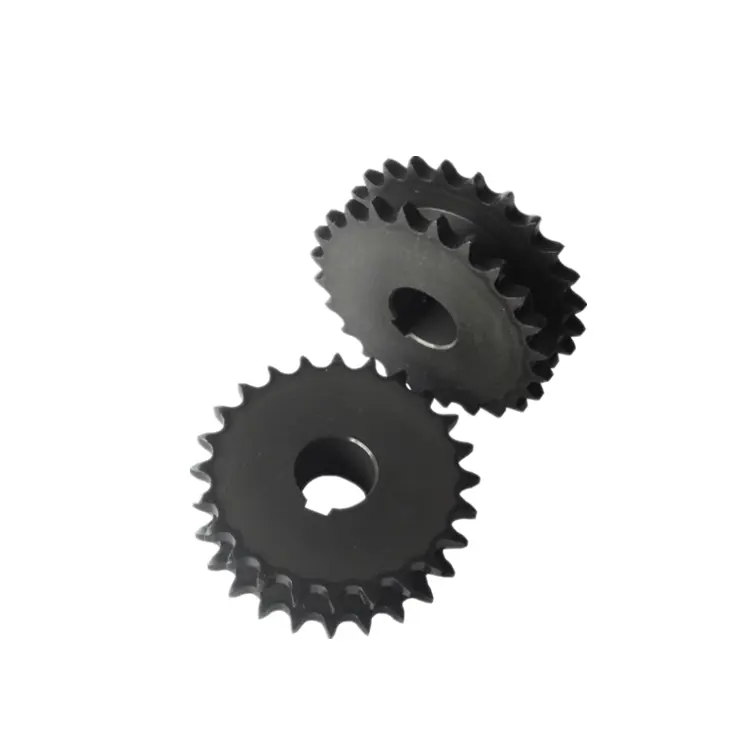
Yes, a wheel sprocket system can be used for vertical power transmission. In such cases, the system is designed to transmit power and motion between vertically aligned shafts. Vertical power transmission using a wheel sprocket assembly follows similar principles to horizontal transmission, but there are some factors to consider:
- Load and Torque: When transmitting power vertically, the weight of the load can significantly impact the torque requirements. The torque must be sufficient to lift the load against gravity while accounting for friction and other resistive forces.
- Sprocket Selection: Choosing the right sprocket is critical for vertical transmission. The sprocket teeth must be designed to engage the chain or belt effectively and prevent slipping, especially when lifting heavy loads.
- Lubrication: Proper lubrication is essential to reduce friction and wear in the system. Vertical applications may require specific lubricants to ensure smooth operation and prevent premature failure.
- Tensioning: Maintaining the correct tension in the chain or belt is crucial for vertical power transmission. Proper tension helps prevent sagging and ensures proper engagement between the wheel sprocket.
- Overhung Load: In vertical setups, the weight of the sprocket and shaft assembly can impose an overhung load on the bearings. Adequate support and bearing selection are necessary to handle this load.
Vertical power transmission with a wheel sprocket system is commonly used in various applications, including conveyor systems, elevators, and some industrial machinery. Proper design, installation, and maintenance are essential to ensure safe and efficient operation in vertical configurations.

Choosing the Right Size of Sprocket to Match a Wheel
Choosing the correct size of sprocket to match a wheel is essential for ensuring efficient power transmission and proper functionality of a mechanical system. Here are the steps to help you choose the right size of sprocket:
1. Determine the Pitch Diameter of the Wheel:
Measure the diameter of the wheel from the center to the point where the teeth of the sprocket will engage with the wheel. This measurement is known as the pitch diameter of the wheel.
2. Identify the Desired Gear Ratio:
Determine the gear ratio you want to achieve for your application. The gear ratio is the ratio of the number of teeth on the sprocket to the number of teeth on the wheel and determines the speed and torque output.
3. Calculate the Number of Teeth on the Sprocket:
Once you have the pitch diameter of the wheel and the desired gear ratio, you can calculate the number of teeth on the sprocket using the formula:
Number of Teeth on Sprocket = (Desired Gear Ratio) * (Number of Teeth on Wheel)
4. Select a Standard Sprocket Size:
Based on the calculated number of teeth on the sprocket, choose a standard sprocket size that comes closest to the calculated value. Sprockets are available in various tooth counts, and you may need to choose the nearest size available.
5. Consider Chain Compatibility:
If you are using a chain drive system, ensure that the selected sprocket is compatible with the chain you plan to use. The chain pitch (distance between the centers of adjacent roller pins) should match the pitch of the sprocket.
6. Verify Center Distance:
Check that the center distance between the wheel and the sprocket is appropriate for your application. The center distance is the distance between the centers of the wheel and the sprocket and should be set to achieve the desired tension and alignment of the chain or belt.
7. Consider the Material and Tooth Profile:
Select a sprocket material suitable for your application, such as steel, stainless steel, or plastic, based on factors like load, environment, and operating conditions. Additionally, consider the tooth profile (standard or custom) to ensure smooth engagement with the chain or belt.
By following these steps and considering the specific requirements of your machinery and mechanical system, you can choose the right size of sprocket to match your wheel and achieve optimal performance and longevity of the system.


editor by CX 2023-11-08